What Are the Different Types of Cryptocurrencies and Their Use Cases?
What Are the Different Types of Cryptocurrencies and Their Use Cases?
The world of cryptocurrencies has long been about more than just Bitcoin and a digital rebellion against banks. Since 2009, this ecosystem has branched out into a fascinating mosaic of technologies that aim to change the way we shop, enter into contracts, or even manage the internet itself. For the modern investor, understanding these categories is crucial, because buying a cryptocurrency without distinguishing its type is like buying stocks without knowing whether it is, for example, a technology startup or an oil company.
Digital Gold and Payment Coins
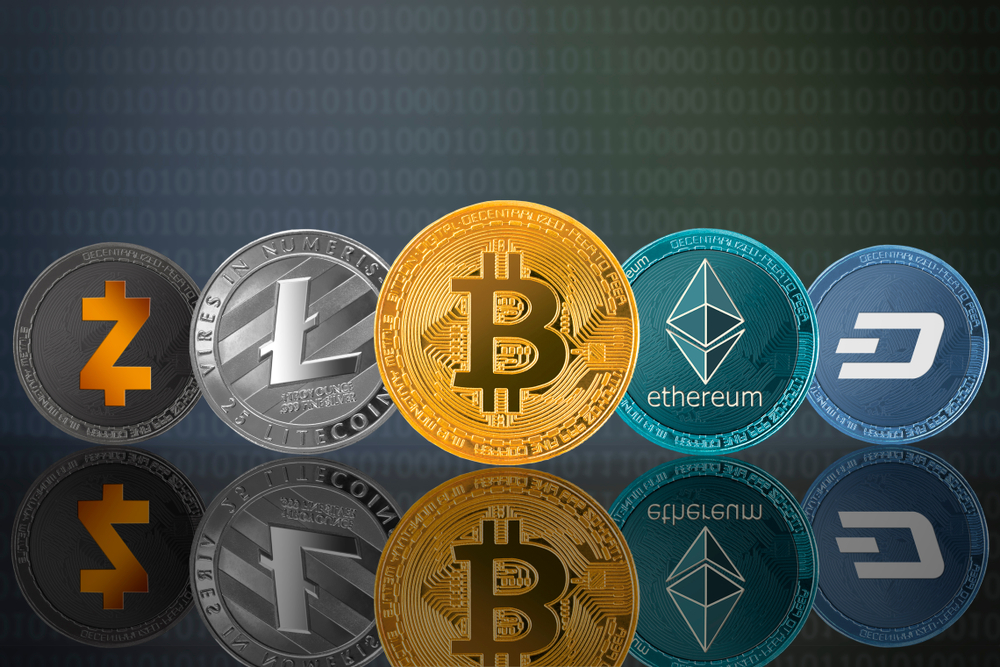
The cornerstone of the entire market remains cryptocurrencies primarily designed for storing value or serving as a means of payment. Bitcoin, as the undisputed king of this category, uses its limited supply and decentralized network to function as a hedge against inflation. Its main use is not the purchase of a morning coffee—although this is possible in certain cases—but rather long-term wealth building outside the reach of central authorities. This group also includes projects such as Litecoin, which are technologically similar but focus on faster and cheaper transactions, thus playing a role closer to silver in the context of physical commodities.
Platforms for Smart Contracts
While Bitcoin can be considered a finished product, the second generation of cryptocurrencies represents open and programmable computers. Ethereum, Solana, or Cardano are not just currencies; secondarily, they function as sophisticated ecosystems on which developers can build decentralized applications. Their native tokens act as the fuel of these networks. In practice, their use cases are manifold—from automated insurance contracts that pay out automatically when a flight is delayed, to complex financial instruments in the field of decentralized finance (DeFi). Here, the investor is essentially betting on the success of a specific technological infrastructure.
How to Reduce Portfolio Volatility?
A specific and extremely important category is stablecoins. Unlike Bitcoin, whose price can fluctuate by tens of percent in a single day, these coins are firmly pegged to the value of traditional assets, most commonly the US dollar at a 1:1 ratio. Projects such as USDT or USDC serve as a safe haven for traders during significant market volatility, while also forming a fundamental bridge between the world of traditional money and cryptocurrencies. Importantly, their use in international trade is increasing, as they allow millions of dollars to be sent across half the globe within seconds, at a fraction of traditional banking fees.
Utility and Governance Tokens
Many projects issue their own tokens that have a clearly defined purpose within their specific ecosystem. Utility tokens function as digital coupons or membership cards that grant access to a platform’s services, such as decentralized data storage. On the other hand, governance tokens give their holders the right to vote on the future direction of the project. In essence, this represents an evolution in corporate governance, where decisions about software updates are not made by a small board of directors, but by a community of token holders.
Niche Segments
On the fringes of the mainstream, yet with a clear mission, stand privacy coins such as Monero, which focus on absolute transaction anonymity—a feature that transparent Bitcoin paradoxically lacks. On the opposite end of the spectrum lies an entirely different world of memecoins, which often originate as jokes but, thanks to the power of online communities, are able to generate enormous trading volumes. Although their fundamental value is often questionable, their use in marketing and community building demonstrates that the cryptocurrency market is driven not only by mathematics, but also by psychology and cultural trends.