Cryptocurrencies and Security: How to Protect Your Assets?
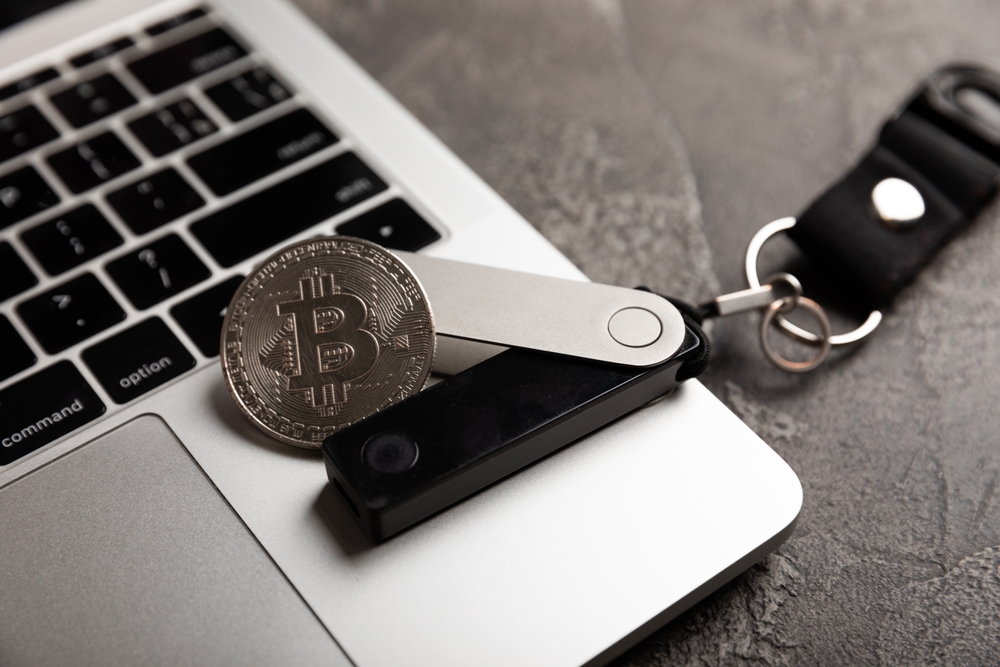
The world of cryptocurrencies undoubtedly offers freedom and control over one’s own finances, but this privilege comes at the cost of absolute personal responsibility. In the traditional banking system, safety nets exist, such as the ability to reverse an incorrect payment or request a new password for online banking. In the decentralized world, however, no support hotline exists. Understanding the principles of protecting digital assets is therefore not merely an optional addition, but a necessary prerequisite for anyone who takes cryptocurrencies seriously.
Risks
The basic rule of security is understanding the difference between where you purchase your assets and where you actually own them. Most beginners leave their first purchases on cryptocurrency exchanges, which is a risky approach in the long term. If an exchange becomes the target of an attack, goes bankrupt, or freezes your account, you lose control over your assets. You only become the true owner at the moment when you transfer your cryptocurrency to your own wallet, to which you hold the private key.
For maximum protection, the use of so-called cold storage is recommended. These hardware devices store your access credentials completely isolated from the internet, making it impossible for hackers to attack them remotely. While software wallets on mobile phones are convenient for quick transactions, hardware solutions represent the gold standard of security for larger investment amounts.
Digital Footprint
If we were to identify one of the most vulnerable points, it would be the seed phrase—the list of random words used to recover a wallet. Many newcomers make the fatal mistake of photographing this list with their phone, storing it in the cloud, or writing it down in notes on a computer. Anything that exists in digital form and is connected to the network can be compromised. An experienced user therefore records their seed phrase exclusively on a physical medium, ideally on paper or stainless steel, and stores it in a secure place. The reason is simple: by losing or revealing these words, you permanently lose access to your funds with no possibility of recovery.
Protecting the seed phrase is also related to the broader digital environment. It is absolutely essential to use strong and unique passwords for every service associated with cryptocurrencies. Two-factor authentication (2FA) should be standard practice, but with an important caveat—SMS-based verification is now considered outdated and vulnerable to SIM swap attacks. Safer alternatives include authenticator applications or physical security keys, which require your physical presence when confirming each login or transfer.
Phishing
Phishing attacks are becoming increasingly sophisticated and often disguise themselves as official messages from well-known exchanges or wallet manufacturers. These fraudulent emails may pressure you with a sense of urgency and redirect you to a website that looks identical to the original, with a single goal: to extract your access credentials or the aforementioned seed phrase. It is crucial to remember that no legitimate company will ever ask you for your private keys or recovery phrase.
Crypto. Made simple. Straightforward crypto solutions designed to help you start with confidence.